Matthew Idris-Dawber
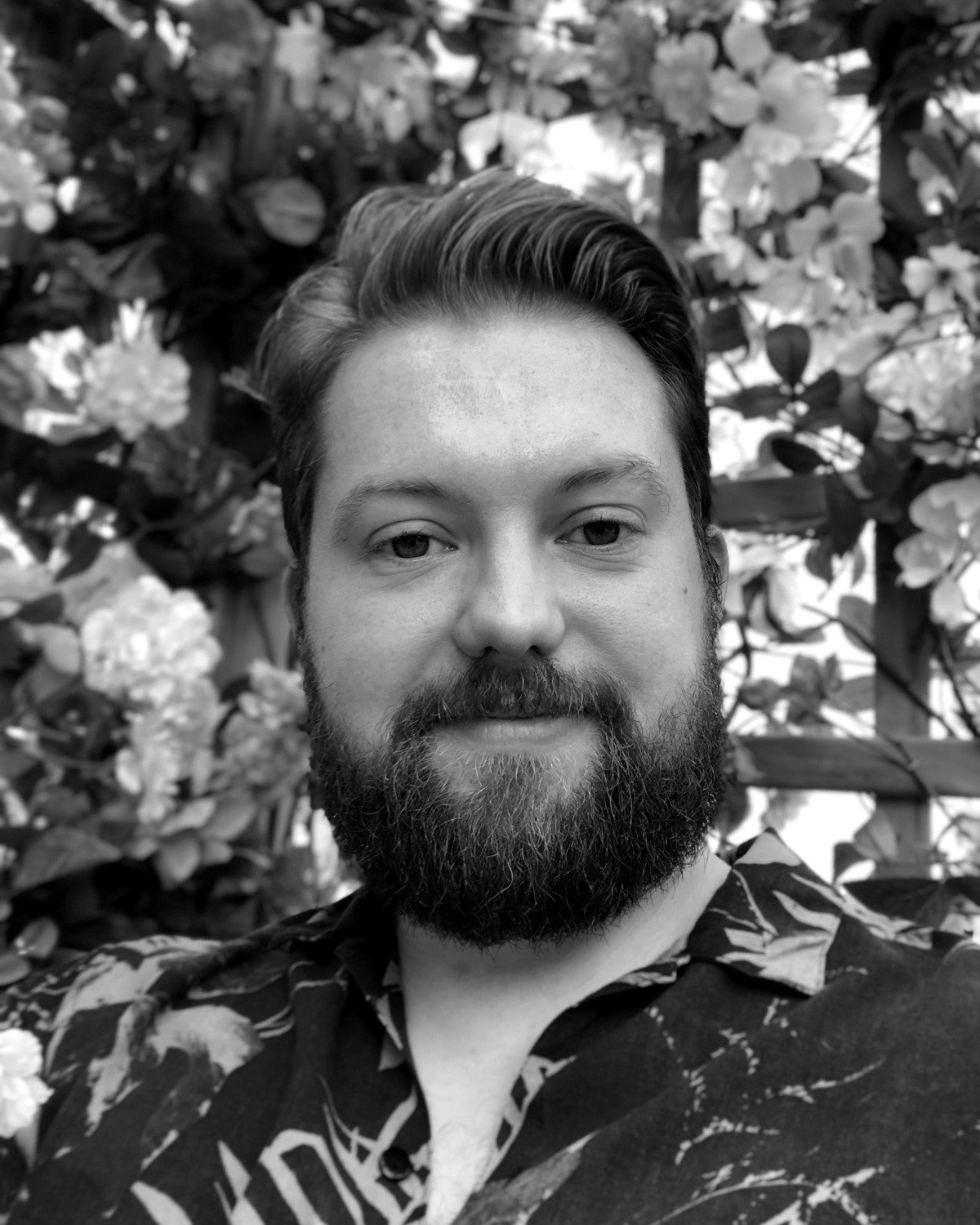
Over fifteen years in product design and UX, covering user research and testing, product strategy, UI and leading design teams.
Most of that time has been spent on complicated products with a lot of different needs, constraints and opinions to balance. Getting to the heart of the problem is usually the interesting part.
Selected work
Nasuni
UX practice, enterprise softwareNasuni had never had a dedicated UX practice. Web Access had been designed by Engineering, with icons without labels and technical language throughout. Setting up the practice meant establishing research and testing, introducing shared design standards, and working closely with Product and Engineering so UX became part of everyday development.
More recently that has included AI-assisted workflows: validating Figma designs for accessibility and against the component library, keeping content consistent with tone-of-voice prompts, and a Figma-linked skill that helps build PRDs alongside Engineering’s own.
Kyra
Five connected productsKyra had no design team, no engineers yet and a business running on email and spreadsheets. As Head of UX & Design I built the design function across five connected products for creators, managers, brands and Kyra’s own staff: different users, different requirements and a lot of moving parts.
The work covered research, product direction, hands-on UX and UI, and helping a team of three develop consistent ways of working. The creator app reached 72% month-one retention and 6,000+ sign-ups in launch week.
Vidsy
Workflows, product designVideo production involves a surprising amount of work that has nothing to do with making videos. Creators worked through a Facebook Messenger chatbot, and every brief was a hand-coded HTML page.
Leading UX across three product areas meant understanding how that work happened, finding where it slowed down and redesigning the workflows. Three connected platforms replaced the old process, operational effort fell by 50%, and campaign turnaround dropped from six to eight weeks to three to four.
Civica
Public services, enterpriseGovernment and enterprise projects rarely arrive with straightforward requirements. Five years at Civica covered research, discovery, service design, UX and UI for organisations including IATA, Flybe, the Met Office, Shell and the Home Office.
Each project needed a slightly different approach, particularly when balancing user needs with technical, organisational and regulatory constraints. Along the way I managed three designers and wrote the WCAG check used at design sign-off.
The numbers
72%Product retention, Kyra
6,000+Launch-week sign-ups, Kyra
£15MGlobal partnership helped secure, Kyra
50%Reduction in operational effort, Vidsy
Selected outcomes from work delivered with product, engineering and wider teams.
How I work
Every project is different, so following exactly the same process each time doesn’t make much sense. The starting point is understanding the problem, who it affects and what’s already known. A brief is useful, but it doesn’t always tell the whole story, and sometimes the most important work is finding out whether the right question is being asked.
Research is about finding out what matters. That might mean talking to users, watching how they work, digging into analytics or going through existing support data. At Nasuni, where direct customer access was limited at first, it meant starting with tracking data, support data and heuristic evaluations while the testing methods were put in place. With complex products, the interesting problems often sit between workflows, systems or teams, and understanding those connections matters as much as any single user journey.
From there it’s about turning what’s been learned into something people can discuss. Journey maps, information architecture, sketches and prototypes all make complicated problems easier to talk about. A tangible prototype in front of people early is usually more productive than weeks of debate. At Nasuni, the Northstar prototype helped secure agreement on a longer-term roadmap.
Testing is part of the design process, not something saved for the end. It might be a quick check of a prototype or a structured usability study. The aim is to see where an idea works, where it falls apart and what needs changing. Alongside it comes the less glamorous work of technical constraints, edge cases and implementation detail, which is all part of making a good experience.
The approach also changes with the team. At Nasuni, a big part of the work has been establishing UX within an engineering-led organisation, including research, testing and AI-assisted workflows. AI is useful for accessibility checks, content consistency and documentation, but its output still needs checking by someone who knows what good looks like. At Kyra the challenge was five connected products with different audiences while building the design team. At Vidsy it was understanding the production process well enough to remove unnecessary work.
The tools and methods exist to support decisions. There’s no value in running a workshop, producing another diagram or doing research that doesn’t answer a useful question. The skill is knowing when to investigate, when to challenge an assumption and when there’s enough evidence to get on with designing.
About
I’ve worked in digital design for over fifteen years, across government services, enterprise software, creator platforms and AI-powered products. The industries have been quite different, but there’s usually been a common theme: complicated problems, competing priorities and a need to make things work better for the people using them.
I started as a junior at Civica and worked up to principal UX designer, specialising in visual design. My roles since have covered most of UX and product design: hands-on research, testing and design, but also building teams, establishing UX practices and helping shape product direction. Leadership has become a bigger part of my career, although I’ve never wanted to move completely away from the practical work.
Much of the job is working with other people: engineers, product managers, stakeholders and the people using the products. Everyone brings a different perspective, and some of the best ideas come from questioning something everyone had taken for granted.
Outside work I brew craft beer, cook, walk and have family adventures, and run a tabletop RPG world as Dungeon Master and worldbuilder.